
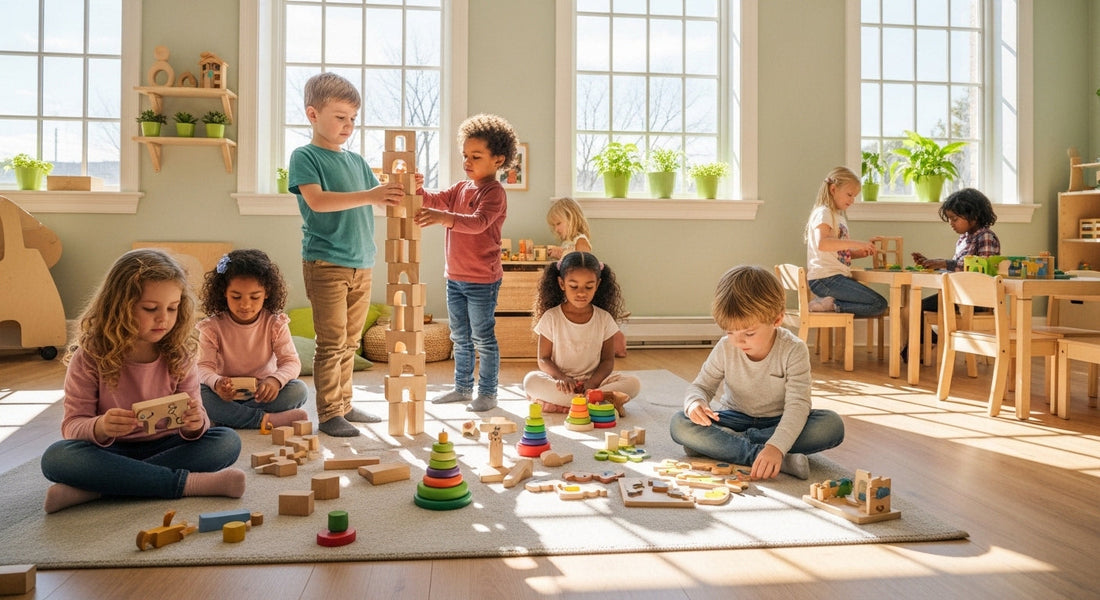
Eco-Friendly Wooden Toys: A Sustainable Choice for Modern Parenting
In today’s world, parents are increasingly conscious of the health and environmental impact of the products they choose for their children. Toys are no exception. Eco-friendly wooden toys have become a popular choice, offering a safe, durable, and sustainable alternative to conventional plastic toys. These toys not only entertain but also educate, stimulate creativity, and foster a connection with nature.

The Growing Popularity of Eco-Friendly Wooden Toys
Over the last decade, awareness about the harmful effects of plastic has led many parents to reconsider their toy choices. Studies reveal that many plastic toys contain chemicals such as BPA, phthalates, and lead, which can pose health risks, especially for infants and toddlers. This has sparked a movement toward natural alternatives, with wooden toys at the forefront.
Why Parents Prefer Wooden Toys
Parents are drawn to wooden toys for several reasons. Their simplicity encourages imaginative play, their durability ensures they last longer, and their natural materials make them safe for children. Additionally, wooden toys often come from sustainable sources, supporting environmental responsibility.
The Role of Certifications in Ensuring Sustainability
Many reputable wooden toy manufacturers use FSC-certified wood, which ensures responsible forestry practices. Certifications like these give parents confidence that their purchases are contributing to environmental conservation rather than deforestation or pollution.
Health and Safety Benefits
Safety is a top priority for parents, and eco-friendly wooden toys excel in this regard. Unlike plastic toys, which may contain harmful chemicals that can leach over time, wooden toys are naturally non-toxic. High-quality toys are finished with water-based paints free from VOCs, making them safe for children to handle and even chew on.
Reducing Risk of Injury
Wooden toys are solid and durable, reducing the chances of breaking into sharp pieces. Their smooth finishes and rounded edges make them safe for young children, while their tactile nature enhances sensory development. The warmth and texture of wood create a natural, soothing experience that plastic cannot replicate.
Promoting Healthy Sensory Development
Handling wooden toys helps children develop a better sense of touch, grip, and coordination. The subtle imperfections in wood grains stimulate curiosity and sensory exploration, laying the foundation for cognitive growth.

Durability and Long-Term Value
One of the standout features of wooden toys is their durability. Unlike plastic toys that often break or wear out quickly, wooden toys can last for years. Many families pass them down from one child to another, transforming them into treasured heirlooms.
Saving Money Over Time
Investing in wooden toys is cost-effective because they do not need frequent replacement. Their longevity reduces waste and provides long-term value for families.
Aesthetic Longevity
Wooden toys retain their charm even after years of use. Minor scratches or dents add character, giving each toy a unique story. Their natural appearance also makes them appealing as decorative items in playrooms or nurseries.
Encouraging Creativity and Cognitive Development
Wooden toys foster creativity and intellectual growth. Unlike pre-programmed electronic toys, wooden toys encourage open-ended play. Children engage actively, using imagination to explore, build, and solve problems.
Building Skills Through Play
Construction toys like blocks and modular sets allow children to experiment with shapes, balance, and structures. Each play session strengthens spatial reasoning and problem-solving abilities.
Role of Pretend Play in Emotional Growth
Pretend play sets, including miniature kitchens or dollhouses, help children understand social interactions, practice empathy, and develop communication skills. These toys teach valuable lessons in teamwork, patience, and creativity.

Environmental Impact and Sustainability
Choosing eco-friendly wooden toys significantly reduces environmental harm. Plastic toys are often made from petroleum-based materials, contributing to pollution and waste. In contrast, sustainably sourced wooden toys are biodegradable and have minimal environmental impact.
Supporting Responsible Manufacturing
Eco-friendly toy manufacturers often employ non-toxic paints, water-based finishes, and recycled packaging. These practices reduce chemical pollution and carbon footprints, ensuring that toys are safe for both children and the planet.
Teaching Children Sustainability
By choosing wooden toys, parents can teach children about environmental responsibility from an early age. Learning the importance of sustainable practices helps instill lifelong values of care for nature and conscious consumption.
Aesthetic Appeal and Timelessness
Wooden toys are visually appealing due to their natural colors, textures, and smooth finishes. Unlike bright, flashy plastic toys, wooden toys offer timeless beauty. Their simplicity encourages focus on play and creativity, providing a calming and enriching environment.
Integration with Home Décor
The natural elegance of wooden toys allows them to fit seamlessly into modern or minimalist interiors. Families appreciate that these toys can enhance a room’s aesthetics while serving as functional play items.
Lasting Appeal
Children often develop a deeper attachment to wooden toys due to their tactile qualities and natural feel. This attachment contributes to mindful and prolonged play sessions, fostering both emotional and cognitive growth.
Choosing the Right Eco-Friendly Wooden Toys
Selecting the best wooden toys requires attention to material, design, and age appropriateness. High-quality toys should be made from FSC-certified wood and finished with non-toxic paints. Age-appropriate toys ensure children are engaged safely and effectively.
Assessing Developmental Needs
Infants benefit from simple, safe toys that they can grasp and mouth, while toddlers enjoy building and puzzle sets that challenge their developing cognitive abilities. Observing a child’s interests helps parents select toys that will provide maximum learning and enjoyment.
Evaluating Craftsmanship
Well-crafted toys are less likely to splinter or break, ensuring safety and longevity. Investing in quality also encourages mindful play and appreciation for natural materials.
Benefits Beyond Childhood
The impact of wooden toys extends beyond immediate play. Children who interact with natural materials from a young age develop an appreciation for nature and sustainability. Wooden toys promote slower, more deliberate play, teaching patience and focus in a fast-paced digital world.
Lifelong Skills and Values
Engaging with wooden toys helps children cultivate creativity, problem-solving skills, and resilience. These experiences contribute to emotional intelligence and foster habits that extend into adulthood.

The Future of Eco-Friendly Wooden Toys
As environmental awareness grows, the market for eco-friendly toys continues to expand. Manufacturers are innovating designs that are both educational and engaging while maintaining sustainability. Families now have access to a wide variety of wooden toys suitable for different age groups, learning goals, and aesthetic preferences.
Innovation in Sustainable Toy Design
From modular building sets to interactive puzzles, wooden toys are evolving to meet the needs of modern children. Sustainability, durability, and engagement are now at the core of toy design, making these products more appealing than ever.
Promoting a Greener Future
By choosing wooden toys, parents contribute to a greener planet and set an example for their children. Teaching children about responsible consumption and sustainability lays the foundation for a more environmentally conscious generation.