
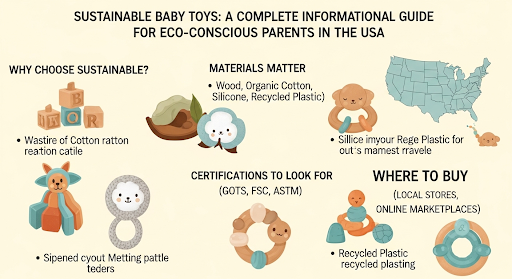
Sustainable Baby Toys: A Complete Informational Guide for Eco-Conscious Parents in the USA
Choosing the right toys for a baby is about much more than entertainment. Toys influence early learning, shape sensory development, toysbubu is play a role in a child’s overall health and safety. In recent years, parents across the United States have become increasingly mindful of the materials used in baby products, especially toys. This growing awareness has led to a strong interest in sustainable baby toys.
Sustainable baby toys are designed to protect both children and the environment. They prioritize safe materials, ethical production, and long-term usability. As environmental concerns and health awareness continue to rise, many American families are rethinking traditional plastic toys and exploring eco-friendly alternatives. This guide explains everything parents need to know about sustainable baby toys, from their meaning and benefits to how to choose the best options with confidence.
Understanding Sustainable Baby Toys
Sustainable baby toys are created with a long-term perspective in mind. They are designed to reduce environmental harm while providing a safe and enriching experience for babies. Sustainability in toys includes responsible sourcing of materials, non-toxic finishes, durability, and ethical manufacturing processes.
Unlike conventional toys that often rely on synthetic plastics and chemical dyes, sustainable toys use materials that are renewable, biodegradable, or recycled. These toys are meant to last longer and are often designed in a timeless way so they can be reused, shared, or passed down. Sustainability also means reducing waste, which is a critical concern in a country like the United States where plastic consumption is high.
Why Sustainable Baby Toys Matter for American Families
Environmental responsibility has become an important value for many families in the USA. Plastic waste is one of the largest contributors to environmental pollution, and children’s toys play a role in this issue. Many plastic toys are difficult to recycle due to mixed materials and chemical treatments, which causes them to end up in landfills.
Beyond environmental impact, parents are increasingly concerned about health and safety. Babies explore the world with their hands and mouths. If toys contain harmful substances, there is a greater risk of exposure. Sustainable baby toys are typically produced with stricter safety standards and fewer toxic materials, offering parents greater peace of mind.
The importance of sustainability also extends to future generations. Parents want to raise children in a healthier environment and teach them values that support responsible living. Choosing sustainable toys is one way to align everyday decisions with long-term goals.
Health and Safety Benefits of Sustainable Baby Toys
A baby’s body is still developing, which makes them more sensitive to chemicals and toxins. Many traditional toys may contain substances such as BPA, phthalates, PVC, or heavy metals, even if they meet minimum regulatory standards. Over time, repeated exposure to these substances can raise concerns for parents.
Sustainable baby toys focus on non-toxic materials and safer finishes. Natural wood toys are often coated with plant-based oils instead of chemical varnishes. Organic fabric toys are made without synthetic dyes or pesticide residues. Natural rubber teethers provide a safe option for babies during teething stages.
By reducing exposure to potentially harmful substances, sustainable toys help create a safer play environment. This is especially important during the early months and years of a child’s life when development is rapid and sensitive.

Materials Commonly Used in Sustainable Baby Toys
Organic Cotton and Natural Fabrics
Organic cotton is widely used in soft baby toys because it is gentle on sensitive skin and produced without harmful chemicals. It provides comfort while minimizing the risk of irritation or allergic reactions. Natural fabrics are also breathable and durable, making them suitable for repeated use.
Sustainably Sourced Wood
Wooden toys are a hallmark of sustainability. When sourced responsibly, wood is renewable and biodegradable. Hardwoods such as maple or beech are often used because they are strong and long-lasting. Wooden toys are free from synthetic plastics and offer a natural texture that supports sensory development.
Natural Rubber
Natural rubber is harvested from rubber trees and commonly used for teething toys. It is flexible, durable, and free from petroleum-based plastics. This makes it a popular choice for parents who want a safer alternative for babies who chew frequently.
Bamboo and Renewable Resources
Bamboo grows quickly and requires fewer resources than traditional wood. It is increasingly used in baby products due to its sustainability and strength. Bamboo-based toys and accessories help reduce environmental strain while maintaining quality.
Recycled Materials
Some sustainable toys use recycled plastic as a way to reduce waste. While not entirely natural, recycled materials prevent existing plastic from entering landfills and reduce the need for new plastic production.
Developmental Benefits of Sustainable Baby Toys
Sustainable baby toys are often designed with simplicity and purpose. This design approach supports healthy development by encouraging imagination and active engagement. Instead of relying on flashing lights or electronic sounds, these toys allow babies to explore through touch, movement, and problem-solving.
Open-ended toys such as wooden blocks or stacking rings help babies learn cause and effect, spatial awareness, and coordination. Natural textures provide sensory variety, helping infants refine their sense of touch. Because these toys are not overstimulating, they encourage longer attention spans and focused play.
Sustainable toys also support motor skill development. Grasping, stacking, pulling, and sorting movements strengthen muscles and improve hand-eye coordination. These early skills form the foundation for later learning and physical development.

Sustainable Toys Compared to Conventional Plastic Toys
Traditional plastic toys are often mass-produced with short-term use in mind. They may break easily, rely on batteries, or lose appeal quickly. In contrast, sustainable baby toys are built for durability and long-term engagement.
From an environmental perspective, plastic toys contribute significantly to waste and pollution. Sustainable toys, on the other hand, reduce environmental impact by using natural or recycled materials and minimizing waste. From a developmental standpoint, sustainable toys encourage creativity and exploration rather than passive play.
Parents who choose sustainable toys often notice that their children engage more deeply with fewer toys, supporting a more intentional and meaningful play environment.
The Growth of Eco-Conscious Parenting in the USA
Eco-conscious parenting has become more common across the United States. Parents are increasingly informed about environmental issues and product safety. Many families now prioritize quality over quantity and seek products that align with their values.
This shift has influenced the baby product market, leading to greater availability of sustainable options. Online shopping has made it easier for parents to access eco-friendly toys without compromising convenience. As awareness continues to grow, sustainable baby toys are becoming a preferred choice rather than a niche option.
Cost, Value, and Long-Term Benefits
One common concern is the cost of sustainable baby toys. While some eco-friendly toys may have a higher upfront price, they often offer better long-term value. Durable materials mean fewer replacements, which can reduce overall spending.
Sustainable toys are often designed to grow with a child, remaining relevant across multiple developmental stages. Their durability also allows them to be reused by siblings or passed on, further extending their value.
How Parents Can Choose Sustainable Baby Toys Confidently
Parents should look for transparency when selecting sustainable toys. Brands that clearly communicate their materials, safety standards, and manufacturing practices demonstrate credibility. Choosing age-appropriate toys ensures safety while supporting development.
Trusted eCommerce stores that focus on quality and safety simplify the buying process. A curated selection of sustainable toys allows parents to make informed decisions without being overwhelmed by options.

Creating a Healthier Future Through Everyday Choices
Every purchase decision contributes to larger environmental and social outcomes. When parents choose sustainable baby toys, they support responsible manufacturing and reduced waste. These choices help shape a cleaner environment for future generations.
Children also learn from their surroundings. Growing up with sustainable products introduces values of responsibility and respect for the environment from an early age.
Final Thoughts
Sustainable baby toys represent a thoughtful approach to parenting in the modern world. They combine safety, developmental benefits, durability, and environmental responsibility. For parents in the USA, these toys offer a way to protect their children while contributing to a healthier planet.
As awareness continues to grow, sustainable baby toys are becoming an essential part of eco-conscious parenting. Choosing them today is an investment in your child’s well-being and the future they will inherit.