
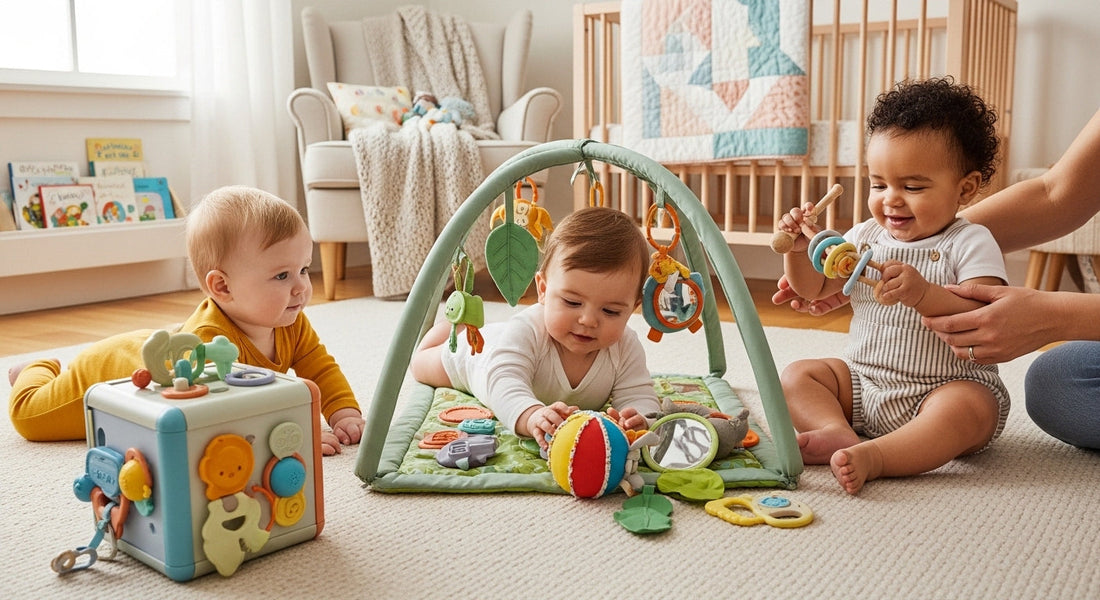
The Importance of Early Learning Baby Toys in Infant Development
Early learning baby toys play a vital role in shaping the first stages of a child’s growth. During infancy, babies explore the world through touch, sound, sight, and movement. Toys designed specifically for early development stimulate these senses and support brain growth in meaningful ways.
In the USA, parents increasingly focus on educational value even when selecting toys for newborns and infants. Early learning baby toys are created to encourage interaction, discovery, and emotional bonding between babies and caregivers. These toys transform simple playtime into powerful learning experiences.
The first years of life are critical for forming neural connections. When babies engage with safe and age appropriate toys, they strengthen sensory pathways and build essential developmental foundations.
Sensory Stimulation and Brain Activation
Visual Stimulation for Developing Eyes
Babies are naturally attracted to bright colors, high contrast patterns, and moving objects. Early learning baby toys often include black and white designs, colorful shapes, and light based elements to capture attention.
Visual stimulation helps babies improve focus and tracking skills. As infants follow moving toys with their eyes, they strengthen visual coordination and perception abilities.
These experiences support brain development by encouraging babies to process visual information actively instead of passively observing their environment.
Auditory Development Through Sound Toys
Sound based toys such as rattles, musical toys, and soft sound makers introduce babies to different tones and rhythms. Early learning baby toys that produce gentle sounds help infants recognize patterns and respond to auditory signals.
Listening to sounds improves communication awareness. Babies begin associating specific noises with actions, which strengthens understanding and memory. Repeated exposure to controlled sound stimulation supports language readiness.
Motor Skill Enhancement During Infant Play
Strengthening Gross Motor Skills
Gross motor development involves large body movements such as rolling, crawling, sitting, and reaching. Early learning baby toys encourage movement by motivating babies to stretch toward objects or follow interactive features.
Play mats with attached toys, tummy time activity sets, and soft movement based toys promote physical engagement. When babies attempt to grab or move toward toys, they strengthen muscles and improve balance.
These early physical activities create a foundation for future walking and coordination milestones.
Improving Fine Motor Control
Fine motor skills develop when babies grasp small objects, squeeze soft toys, or explore textured surfaces. Early learning baby toys often include soft rings, fabric tags, and easy grip materials to encourage finger movement.
As babies practice holding and releasing objects, their hand muscles become stronger. Improved finger control supports future skills such as writing, drawing, and self feeding.
Toys designed for small hands allow infants to experiment safely while developing precision.

Emotional Bonding Through Interactive Play
Strengthening Parent and Baby Connection
Early learning baby toys create opportunities for shared interaction between caregivers and infants. When parents play together with their babies, they build trust and emotional security.
Talking, singing, and responding to baby reactions during play enhances attachment. Simple actions like shaking a rattle or pointing to toy features encourage communication and engagement.
Emotional bonding during play contributes to healthy social development and confidence.
Comfort and Security Through Familiar Toys
Some early learning baby toys become comfort objects for infants. Soft plush toys or familiar textured items provide reassurance during unfamiliar situations.
When babies associate toys with positive experiences, they feel safe and protected. Emotional stability developed during early stages supports long term well being.
Cognitive Growth Through Simple Problem Solving
Cause and Effect Understanding
Early learning baby toys introduce basic cause and effect relationships. For example, pressing a button may produce a sound, or moving a toy may trigger lights.
These interactions teach babies that their actions create responses. Understanding cause and effect strengthens logical thinking and curiosity.
Repeated exposure to interactive features builds confidence as babies learn how to control outcomes through exploration.
Object Recognition and Memory Building
Babies begin recognizing objects through repeated exposure. Early learning baby toys with consistent shapes, colors, and sounds help infants develop memory skills.
When caregivers name toys during play, babies connect words with physical objects. This repetition improves recognition and strengthens early cognitive processing.
Object familiarity plays an important role in developing attention span and recall ability.
Safe Design Standards for Infant Toys
Non Toxic Materials and Soft Edges
Safety is a priority when selecting early learning baby toys. Products designed for infants must use non toxic materials and avoid small detachable parts that may cause hazards.
Soft edges, washable fabrics, and secure stitching ensure safe handling. High quality manufacturers follow strict guidelines to reduce risks during play.
Parents should always check product certifications and safety labels before purchasing baby toys.
Durable Construction for Long Term Use
Durability ensures toys remain safe even after repeated use. Early learning baby toys made from strong materials resist damage and maintain structural integrity.
Well constructed toys reduce breakage and minimize potential safety concerns. Durable products also provide better value because they last longer.

Age Appropriate Toy Selection for Babies
Newborn to Six Months
During the first months, babies benefit from high contrast visuals, soft rattles, and sensory mats. Early learning baby toys at this stage focus on visual tracking and gentle sound stimulation.
Simple designs allow babies to explore without overwhelming their developing senses.
Six to Twelve Months
As babies grow stronger and begin crawling or standing, toys that encourage movement become important. Interactive activity centers and push based toys support mobility and coordination.
At this stage, babies enjoy exploring objects independently while maintaining connection with caregivers.
The Role of Early Learning Baby Toys in Modern Parenting
Modern parents understand that development starts at birth. Early learning baby toys provide structured support for brain growth during crucial developmental phases.
These toys reduce reliance on passive screen exposure and promote active engagement. Instead of watching content, babies interact with physical objects that stimulate multiple senses.
Educational baby toys create meaningful play experiences that contribute to lifelong learning habits.

Why Families Trust ToysBubu for Early Learning Baby Toys
ToysBubu prioritizes quality, safety, and educational value when selecting baby toys. Our collection focuses on products that support developmental milestones while maintaining safe design standards.
Families in the USA choose ToysBubu because we emphasize reliable materials, child friendly construction, and purposeful learning benefits.
Our goal is to provide early learning baby toys that inspire curiosity and support healthy growth from the very beginning.