
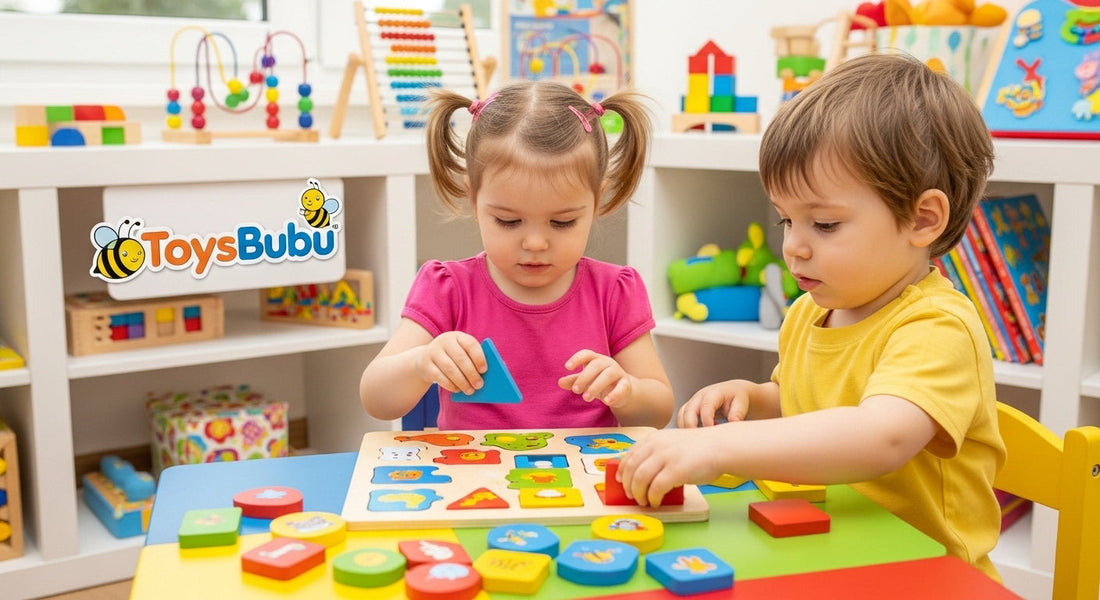
Toddlers Learning Puzzle: Educational Fun for Early Development
Why Learning Through Play Matters
Toddlers absorb knowledge quickly through exploration and hands-on experiences. During this stage, every activity contributes to cognitive, motor, and emotional growth. Play becomes a vital learning tool, and toddlers learning puzzles offer the perfect balance of fun and education.
How Play Shapes Early Skills
Through guided or independent play, toddlers develop curiosity, problem-solving abilities, and creativity. Learning puzzles encourage children to focus, experiment, and observe, all while enjoying a screen-free activity.
The Role of Puzzles in Daily Learning
Puzzles provide structured challenges that allow children to practice logic and pattern recognition. Each puzzle piece is an opportunity to reinforce concepts like shapes, colors, and sequencing.
Understanding Toddlers Learning Puzzles
A toddlers learning puzzle is more than a simple toy. It combines vibrant illustrations, educational themes, and tactile interaction to support early development.
Components of a Learning Puzzle
Most learning puzzles include a board and multiple pieces designed for little hands. The pieces feature letters, numbers, shapes, animals, or objects to enhance both visual and cognitive learning.
Materials and Safety
High-quality puzzles are made of non-toxic, durable materials. Smooth edges and robust construction ensure safety and longevity, allowing toddlers to explore confidently.
How Puzzles Encourage Interaction
Toddlers manipulate pieces, testing how they fit into slots. This hands-on experience strengthens fine motor skills, eye-hand coordination, and spatial awareness.

Cognitive and Motor Skill Benefits
Toddlers learning puzzles are designed to improve cognitive and physical skills in a playful way.
Developing Problem-Solving Abilities
By figuring out how each piece fits, toddlers practice logic and critical thinking. The trial-and-error approach fosters resilience and patience, helping them approach challenges calmly.
Memory and Pattern Recognition
Repeated engagement with puzzle pieces helps children recognize shapes, sequences, and patterns. This strengthens memory retention and cognitive flexibility.
Enhancing Fine Motor Skills
Handling puzzle pieces builds finger strength and coordination. Toddlers refine movements that later support writing, dressing, and daily tasks.
Bilateral Coordination and Dexterity
Using both hands to hold and place puzzle pieces develops bilateral coordination, a key skill for physical and cognitive growth.
Language and Early Literacy Development
Many learning puzzles integrate letters, words, or images representing real-life objects.
Vocabulary Building
Parents can use puzzle play to introduce new words, colors, and concepts. Discussing animals, numbers, or shapes expands a toddler’s vocabulary naturally.
Preparing for Reading
Letter-based puzzles reinforce early literacy by associating letters with sounds. Recognizing these connections lays the groundwork for reading readiness.
Storytelling Through Play
Toddlers can create stories around puzzle characters or themes. This imaginative use of puzzles strengthens narrative thinking and verbal skills.

Encouraging Independent Play
Independent engagement with puzzles helps toddlers develop confidence and focus.
Self-Directed Learning
Toddlers learn at their own pace, exploring solutions without constant adult guidance. This fosters initiative and decision-making skills.
Building Concentration and Patience
Completing puzzles requires sustained attention. Children develop patience as they work through challenges and experience satisfaction upon completion.
Emotional Growth Through Achievement
Finishing a puzzle gives toddlers a tangible sense of accomplishment. This reinforces positive behavior and encourages persistence in future learning tasks.
Social Benefits of Collaborative Play
Toddlers learning puzzles also support interaction and teamwork.
Cooperative Problem-Solving
When playing with siblings, friends, or caregivers, toddlers learn to share, communicate, and work together toward a common goal.
Observational Learning
Children observe peers’ strategies and adapt their own approach. Collaborative play develops social understanding and flexibility in thinking.
Screen-Free Engagement and Focus
Toddlers learning puzzles provide a calm, engaging alternative to digital devices.
Reducing Digital Exposure
In an age dominated by screens, puzzles offer hands-on engagement that strengthens focus, reasoning, and creativity without overstimulation.
Long-Lasting Attention
Puzzle play encourages toddlers to stay engaged for longer periods, improving attention span and fostering sustained learning habits.
Selecting the Right Puzzle for Your Toddler
Choosing a learning puzzle requires considering age, difficulty, and content.
Age-Appropriate Design
Simple shape puzzles suit younger toddlers, while letter, number, or themed puzzles engage older toddlers and reinforce early learning.
Progressive Challenges
Toddlers can transition from basic to advanced puzzles, ensuring continued interest and skill development.
Educational Value
Look for puzzles that combine entertainment with early cognitive, motor, and language skills for maximum impact.

Why ToysBubu Learning Puzzles Stand Out
ToysBubu creates puzzles that combine safety, durability, and educational value.
Premium Materials
Non-toxic finishes, smooth edges, and robust construction make our puzzles ideal for toddlers’ everyday use.
Vibrant and Engaging Design
Bright, kid-friendly visuals capture attention and motivate prolonged engagement.
Focused on Skill Development
Each puzzle is crafted to enhance fine motor skills, cognitive growth, and language development through hands-on play.
Making Learning Fun for Toddlers
Toddlers learning puzzles transform education into enjoyable experiences.
Encouraging Curiosity
Children explore, test ideas, and observe outcomes, which cultivates curiosity and exploration.
Combining Fun With Learning
Puzzle play balances entertainment with educational goals, creating an environment where learning feels natural and enjoyable.
A Thoughtful Gift for Early Childhood
Learning puzzles make excellent gifts for birthdays, holidays, or milestones.
Practical and Educational
Parents value toys that provide lasting benefits, and a learning puzzle supports both growth and creativity.
Long-Term Engagement
Durable construction ensures that toddlers continue to explore and learn as they grow, making it a gift with lasting value.
Conclusion: Building a Foundation for Lifelong Learning
Toddlers learning puzzles are essential tools for early childhood development. They strengthen motor skills, enhance cognitive abilities, encourage independent thinking, and support social and emotional growth.
ToysBubu learning puzzles are designed with safety, durability, and skill-building in mind. Families in the USA can provide children with a toy that makes learning enjoyable, meaningful, and screen-free. By choosing ToysBubu, parents invest in their toddler’s curiosity, confidence, and foundation for lifelong success.