
Creating the Perfect Home Learning Space with ToysBubu
The preschool years are a pivotal time for your child’s growth. During this stage, children are rapidly developing cognitively, socially, and physically. While schools and playgroups provide structured learning and exploration, creating a home learning space ensures that learning continues even after the school day is over. A dedicated space at home gives your little one the tools, freedom, and encouragement to learn, experiment, and play in a focused environment. With ToysBubu educational toys and activity kits, you can make learning exciting, hands-on, and developmentally appropriate.
What is a Home Learning Space?
A home learning space is a designated area within your home where your child can explore, create, and play while building skills that are essential for their age. This space is more than just a corner with toys—it’s a place where children are inspired to think, experiment, and engage in activities that stimulate their mind and body.
By providing a specific area for learning, you are showing your child that their curiosity and creativity are valued. Research indicates that children naturally gravitate to spaces with a clear purpose. Just as they know the kitchen is for snacks or the bathroom is for washing hands, a home learning space signals that this is the place to explore, play, and learn.

Benefits of a Home Learning Space
Home learning spaces have several advantages for preschoolers. First, they provide access to tools and materials designed for the child’s age and developmental stage. This increases independence and confidence as children complete tasks on their own.
Second, learning spaces nurture creativity and imagination. By giving children a place to experiment, draw, build, or role-play, they gain the freedom to explore new ideas and develop problem-solving skills.
Finally, home learning spaces teach responsibility and organization. When children know where toys and learning materials belong, they learn to care for their environment and take ownership of their activities. The combination of autonomy and structure reinforces positive habits and supports cognitive growth.
Montessori educator Maria Montessori emphasized that children are naturally capable of creating their own learning experiences when given the right environment. A well-designed home learning space allows children to develop self-directed learning, decision-making, and curiosity—all within a safe and stimulating area.
Designing a Home Learning Space
Creating an effective home learning space requires attention to both the physical environment and the attitude of the adults supporting it. Here are key tips for designing a space that is functional, inspiring, and fun:
Keep it Simple
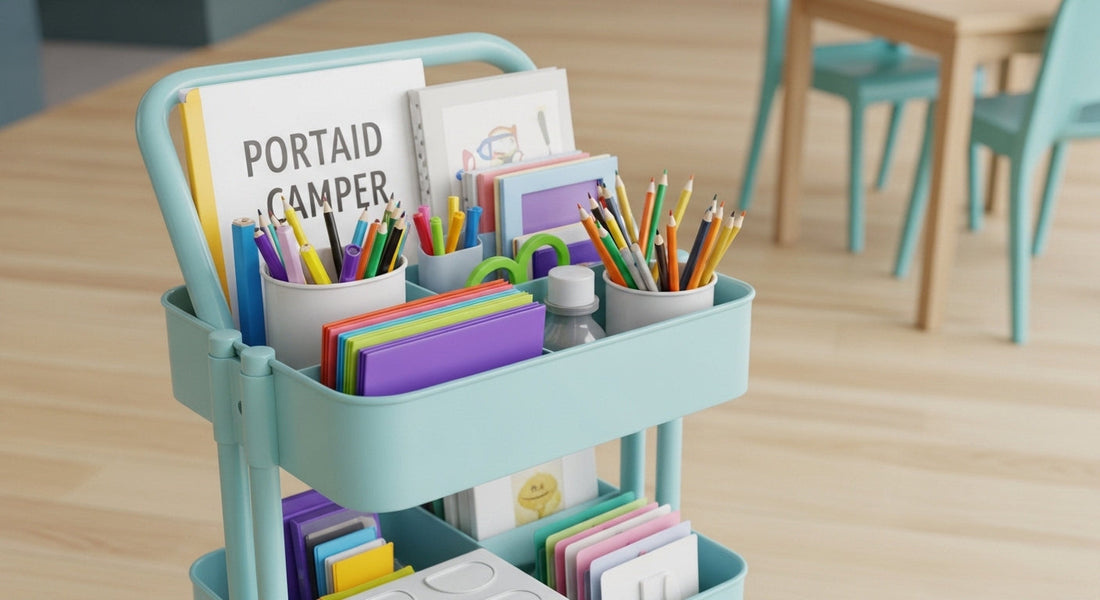
Simplicity is essential to avoid overwhelming a preschooler. Choose a few key pieces of furniture and limit the number of toys and learning materials available at any given time. Use storage solutions such as bins, baskets, or shelves that are accessible to children. Simple arrangements help your child focus on the activity rather than searching for materials or being distracted by clutter.
Less is More
The “less is more” principle from Montessori philosophy applies well to home learning spaces. Rotating toys and materials ensures that children remain interested and engaged. When a child is presented with fewer options, they can focus on exploring each toy or activity more deeply. This encourages discovery, imagination, and repeated engagement with activities that reinforce learning.
Make it Child-Sized
Furniture and materials should be appropriate for your child’s size. Small tables, chairs, and shelves, as well as large crayons or markers, allow children to interact with their space comfortably. Soft blocks, write-and-wipe activity mats, and child-sized stationery make hands-on exploration easier and more enjoyable. Ensuring your child can reach and manipulate their learning materials independently fosters confidence and encourages exploration.

Incorporate Knowledge
A home learning space should include books, educational toys, and activities appropriate for your preschooler’s age. Introduce letters, numbers, shapes, and colors, and provide opportunities for sorting, counting, and early writing. ToysBubu activity kits are ideal for this purpose, providing ready-made educational experiences that make learning fun and engaging.
Activities like tracing letters, identifying numbers, or exploring sensory materials build foundational skills while keeping children entertained. By weaving learning into play, you can make even challenging concepts accessible and enjoyable.
Creating a Cozy Reading Nook
A dedicated reading corner within the learning space encourages literacy and fosters a love of books. Add cushions, a small bookshelf or basket, and a selection of age-appropriate books. The area should be uncluttered so children can choose and explore books independently. Reading nooks also provide a quiet retreat for focused exploration or shared storytelling, strengthening both language skills and the parent-child bond.
Integrating Nature into Learning
Bringing natural elements into your home learning space can enhance both attention and engagement. A small plant within view teaches children about growth and responsibility. Opening a window for fresh air or listening to rainfall adds sensory stimulation and helps children connect with the outside world. Incorporating natural light and ventilation improves mood, energy, and focus, making the learning space more effective and enjoyable.
Developing Routine and Responsibility
A home learning space is most effective when children understand its purpose and are included in maintaining it. Encourage your preschooler to tidy up, organize toys, and return materials to their designated spots. These responsibilities teach order, consistency, and a sense of ownership. Routine helps children understand expectations, develop self-discipline, and feel confident navigating their learning environment independently.
Enhancing the Learning Space
Make the learning space dynamic by adding artwork, music, and interactive elements. Display creative works, family photos, or multicultural art to inspire curiosity. Play age-appropriate music or calming tunes to encourage focus and creativity. Encourage your child to draw from family photos, make musical patterns, or simply enjoy the sensory environment. Enhancements like these make the space feel personalized, vibrant, and stimulating.
ToysBubu Learning Tools for Your Space
ToysBubu offers a wide range of educational toys and activity kits that fit perfectly into a home learning space. From STEM building kits to sensory materials, write-and-wipe mats, puzzles, and activity mats, each product is designed to encourage hands-on learning while supporting age-appropriate skills. Kits can be rotated to maintain interest, and many come with instructions for parents to facilitate guided play.
Using ToysBubu products, children can practice counting, problem-solving, creativity, and fine motor skills. Activities can be integrated seamlessly into daily routines, making learning fun and consistent without overwhelming the child.
Final Thoughts: A Space to Learn, Play, and Grow
A home learning space is more than a physical area—it’s a place where children can explore, imagine, and develop skills independently. By keeping the environment simple, child-sized, organized, and enriched with ToysBubu learning tools, you encourage curiosity, creativity, and confidence.
Involving your preschooler in designing and maintaining the space strengthens responsibility and ownership while fostering a love of learning. Just like in the classic story of Cinderella, having “a little corner of their own” allows children to explore, play, and grow safely and joyfully.
Creating a home learning space is a meaningful way to support your child’s development and make learning at home a positive, interactive, and inspiring experience.