
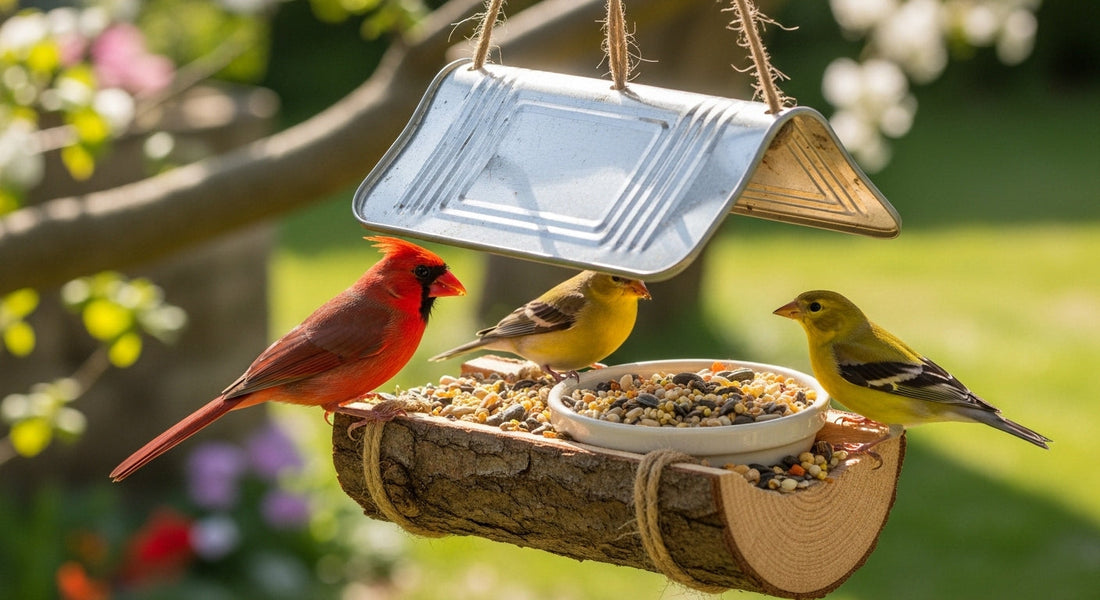
DIY Popsicle Stick Bird Feeder with ToysBubu
Camp ToysBubu offers endless opportunities for children to explore, create, and learn. One fun and educational activity to kick off your camp is bird watching. Observing birds up close can inspire curiosity about the natural world, teach children patience, and enhance observational skills. Building a DIY popsicle stick bird feeder allows children to actively participate in creating a home for wildlife, combining hands-on crafting with learning about animals and nature.
This craft project is easy to complete with everyday materials, promotes creativity, and offers the added excitement of watching birds visit the finished feeder. By involving children in every step, from painting to hanging, the activity encourages responsibility, fine motor skill development, and a love for nature.
Why a Bird Feeder is a Great Learning Activity
Creating a bird feeder is more than just a craft project. It allows children to learn about ecosystems, animal behavior, and the environment. Observing which birds visit, how they interact with each other, and how they feed provides practical lessons in biology and ecology.
The activity also develops problem-solving and planning skills. Children must figure out how to construct a stable feeder, ensure it can hold birdseed, and hang it safely. Incorporating paint, color choice, and design elements encourages artistic expression and decision-making. By combining creativity with practical construction, the project becomes both educational and fun.

Materials You’ll Need
To create your bird feeder, gather popsicle sticks, glue, string, cardboard, and birdseed. Paint and brushes are optional but highly recommended for a colorful, visually appealing feeder. Each material contributes to the learning experience: popsicle sticks teach spatial awareness and structure-building, glue reinforces patience and precision, cardboard ensures stability, and string teaches balance and weight distribution.
Step 1: Painting the Popsicle Sticks
Start by painting the popsicle sticks in vibrant colors. Let children explore color combinations and patterns to personalize their feeder. Painting the sticks is an excellent exercise for fine motor control and hand-eye coordination. It also allows children to express creativity while adding a fun decorative element that can attract more attention from birds once the feeder is hung outside.
Step 2: Assembling the Feeder Walls
Once the paint dries, begin constructing the walls of the bird feeder. Children glue the ends of the sticks together and stack them layer by layer. Encourage them to be careful and precise, as a well-built structure will support the weight of the birdseed and withstand outdoor conditions. This step helps children develop spatial reasoning, concentration, and patience.
Step 3: Attaching the Cardboard Base
Cut a square piece of cardboard to form the base of the feeder. Glue the popsicle stick structure to the cardboard. This provides stability and prevents birdseed from spilling. Your child will enjoy seeing their structure come together, and this step reinforces problem-solving skills as they ensure the base supports the feeder properly.
Step 4: Adding the Hanging Strings
Thread a string through each corner under the top layer of popsicle sticks. This evenly distributes the weight of the feeder when it is hung. Explaining this to your child teaches basic physics concepts, like balance and weight distribution, in a simple, hands-on way. It also introduces children to the idea of creating practical solutions for real-world problems.
Step 5: Securing the Strings
Tie knots at the ends of the strings to complete the hanging mechanism. Let your child help with tying and adjusting the lengths. This step reinforces fine motor skills and gives them a sense of responsibility and accomplishment. The feeder is now ready to be suspended from a tree branch, a porch, or another outdoor structure.
Step 6: Filling and Observing
Allow your child to fill the feeder with birdseed and choose a spot to hang it. Encourage them to observe which birds come to visit, noting differences in species, colors, and behaviors. Keeping a simple observation journal can make the activity more educational, allowing your child to record bird names, sizes, or feeding habits. This observational activity teaches attention to detail, encourages curiosity, and provides a connection to the natural world.
Extending the Learning Experience
Once the feeder is up, you can expand the activity into a full nature exploration lesson. Discuss why birds visit feeders, what types of seeds attract different species, and how weather or seasons affect bird behavior. You can even pair the bird feeder activity with other ToysBubu learning kits for science and observation-based projects.
For example, children can create a birdwatching journal to record sightings, draw pictures of the birds they see, or measure which feeder locations attract the most visitors. Combining crafting, observation, and note-taking builds literacy, STEM skills, and scientific thinking.

Educational Benefits of DIY Bird Feeder Projects
Creating a bird feeder nurtures both cognitive and emotional development. Children practice fine motor skills through painting, gluing, and stringing. They develop problem-solving skills as they plan and construct a stable structure. Observation of the birds encourages critical thinking, attention to detail, and scientific curiosity.
The project also promotes patience and responsibility. Children learn to take care of their creation, refill it with seeds, and observe the natural world respectfully. By combining creativity, science, and hands-on learning, a simple popsicle stick feeder becomes an immersive educational experience that fosters curiosity and confidence.

Making it a Camp ToysBubu Activity
To turn this into a full Camp ToysBubu experience, pair the bird feeder craft with themed activities such as bird-themed storytelling, drawing and coloring birds, or matching bird species to their habitats. You can set up a daily observation routine to record the variety of birds visiting each day.
Adding extra elements like binoculars, a bird guidebook, or a simple counting game with the number of birds visiting the feeder enhances STEM learning while keeping the activity fun and interactive. This makes the craft more than just an art project—it becomes a multi-sensory, educational experience.
Conclusion
Building a DIY popsicle stick bird feeder with ToysBubu provides children with a creative, hands-on project that combines art, science, and nature exploration. From painting and assembling the feeder to observing visiting birds, this activity fosters fine motor development, creativity, problem-solving, and scientific curiosity.
With a bit of guidance and supervision, your little one can create a colorful, functional bird feeder that not only teaches them about wildlife but also encourages patience, responsibility, and observation skills. By incorporating this project into Camp ToysBubu, you can create an engaging, memorable learning experience that connects children to nature and sparks a lifelong curiosity about the world around them.