
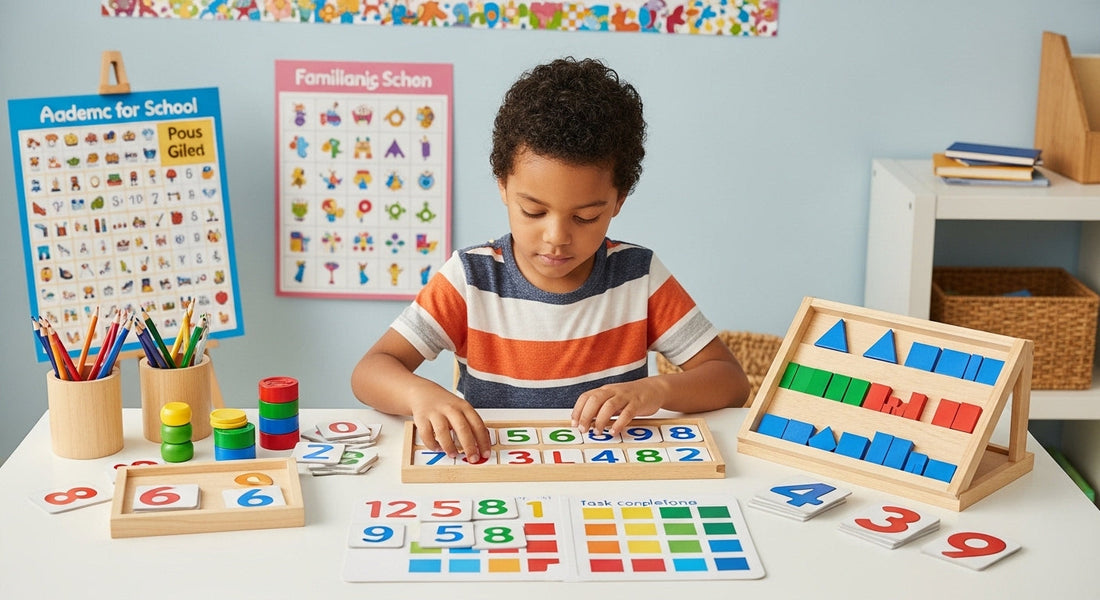
Early Learning Centre Toys: Innovative Play Solutions for Child Development by ToysBubu
Early learning centre toys are designed to transform playtime into a structured developmental experience. Instead of focusing only on entertainment, these toys integrate educational principles that encourage exploration, discovery, and skill enhancement.
In the USA market, parents actively search for products that support intellectual growth while remaining engaging for children. Early learning centre toys provide guided activities that promote understanding of foundational concepts such as patterns, communication, and coordination.
ToysBubu carefully selects educational products that align with modern teaching approaches. Our goal is to create play environments where children learn naturally through interaction and experimentation.
Learning during childhood is most effective when curiosity drives participation. Early learning centre toys turn curiosity into measurable skill development.
Cognitive Engagement Through Interactive Materials
Stimulating Analytical Thinking
Children develop analytical thinking when they are exposed to interactive challenges. Early learning centre toys often include problem solving tasks that require observation and decision making.
Activities such as matching objects, identifying differences, or completing logical sequences encourage children to evaluate information before responding. This strengthens brain processing speed and reasoning ability.
Consistent engagement with interactive learning materials builds mental flexibility and confidence in decision making.
Strengthening Attention and Concentration
Modern children grow up surrounded by distractions. Educational toys create focused environments where children must concentrate on specific tasks.
Completing structured activities requires patience and sustained attention. Early learning centre toys improve the ability to stay engaged until a task is completed successfully.
Improved concentration supports academic performance and classroom participation later in life.
Language Development Through Interactive Expression
Encouraging Verbal Communication
Language skills develop rapidly when children actively describe what they see and do. Early learning centre toys provide opportunities for discussion between children and caregivers.
Parents can ask open questions about colors, shapes, actions, and outcomes. Children respond by expressing thoughts and explaining their choices.
This dialogue strengthens vocabulary expansion and sentence formation naturally.
Supporting Early Literacy Awareness
Toys that include letters, symbols, or illustrated storytelling elements introduce children to written language concepts. Exposure to visual text combined with verbal interaction builds literacy readiness.
Children begin recognizing printed words, associating sounds with letters, and understanding basic reading patterns.
Early learning centre toys create a bridge between playful engagement and academic introduction.

Motor Coordination Development Through Structured Activities
Precision Based Hand Movements
Many educational toys require careful placement of objects or controlled manipulation of components. These actions strengthen fine motor control.
Children practice gripping, rotating, aligning, and inserting pieces into designated areas. Repeated movements enhance muscle coordination and finger strength.
Improved hand control prepares children for writing and artistic expression.
Body Control and Spatial Awareness
Some play materials encourage standing, balancing, reaching, or moving within defined spaces. Physical engagement improves spatial perception and body awareness.
Children learn how their movements interact with surrounding objects. This understanding contributes to better balance and controlled physical activity.
Movement integrated toys support overall physical development alongside mental growth.
Emotional Intelligence and Self Regulation
Managing Frustration During Challenges
Not every task is completed instantly. Sometimes children face difficulty while solving puzzles or completing building tasks.
Early learning centre toys create safe opportunities to experience minor frustration. Through guidance and practice, children learn persistence.
Overcoming small challenges teaches emotional regulation and resilience.
Building Self Confidence Through Achievement
Completing activities independently provides a strong sense of accomplishment. Success during play increases self esteem and motivates further exploration.
Children who regularly achieve goals through interactive learning develop belief in their abilities.
Confidence built through educational play supports long term personal growth.
Social Skill Enhancement in Shared Environments
Learning Cooperation in Group Activities
Early learning centre toys often support multiple participants. Children share tools, divide tasks, and collaborate on creative projects.
Cooperative play teaches communication, respect, and teamwork. Children understand that collective effort can produce better outcomes.
Group interaction strengthens social adaptation skills.
Understanding Rules and Turn Taking
Structured learning toys often include instructions or gameplay guidelines. Following rules helps children understand boundaries and fairness.
Taking turns during group play promotes patience and mutual respect. These social behaviors prepare children for classroom and community interaction.

Creative Innovation Through Open Design Systems
Flexible Construction and Design Freedom
Many educational toys allow children to build or create freely without strict instructions. Open design systems encourage experimentation.
Children combine components in different ways to design unique structures. This freedom strengthens imagination and innovation.
Creative exploration enhances original thinking and problem solving abilities.
Artistic Exploration with Educational Purpose
Some early learning centre toys include drawing boards, pattern kits, or artistic materials. These tools combine creativity with structured guidance.
Children express ideas visually while learning about color combinations and design principles.
Art based learning improves visual intelligence and expressive confidence.
Sensory Integration and Environmental Awareness
Textured Materials and Tactile Learning
Different surfaces and materials stimulate sensory receptors in young children. Educational toys that include varied textures improve tactile perception.
Touch based exploration helps children distinguish between smooth, rough, soft, and hard objects.
Sensory integration supports brain development and environmental awareness.
Auditory and Visual Stimulation
Toys that incorporate sounds, lights, or visual effects enhance sensory engagement. Controlled stimulation improves reaction speed and perception skills.
Balanced sensory exposure strengthens cognitive processing while maintaining safe interaction levels.
Safety Design and Product Reliability Standards
Safe Manufacturing Practices
High quality early learning centre toys are manufactured using non toxic materials and secure construction techniques. Safety certifications ensure compliance with child protection standards.
Rounded edges and stable assembly reduce potential injury risks.
Parents trust products that prioritize safety during design and production.
Long Term Durability for Continuous Use
Durable educational toys maintain quality after repeated interaction. Strong materials resist damage and preserve functionality.
Long lasting products provide better value and consistent developmental support.
Investing in durable learning tools reduces replacement needs.

Preparing Children for Academic Environments
Early Concept Familiarity
Educational toys introduce basic academic concepts before formal schooling begins. Children become familiar with shapes, numbers, sequences, and patterns.
Early exposure reduces learning anxiety when concepts appear in classroom settings.
Prepared children adapt more easily to structured education systems.
Independent Task Completion Skills
Many learning toys require children to follow steps and complete activities independently. This builds responsibility and task management abilities.
Independent practice strengthens discipline and focus.
These skills directly influence future academic performance.
Why Families Trust ToysBubu for Early Learning Centre Toys
ToysBubu remains committed to delivering reliable educational products that support meaningful development. Our early learning centre toys focus on safety, engagement, and long term skill growth.
Families in the USA choose our collection because we emphasize quality materials and developmental value.
We believe that purposeful play builds confident learners and creative thinkers.
Conclusion
Early learning centre toys provide structured opportunities for children to explore, create, and develop essential life skills. Through cognitive challenges, physical interaction, and social engagement, these toys build strong developmental foundations.
ToysBubu supports families by offering carefully selected educational products designed to inspire growth and curiosity.
When children engage with high quality learning tools, they gain skills that support both academic success and personal development.